Connecting Audiologists and Speech-Language Pathologists With Mental Health Resources
If you are experiencing an emergency, or you know someone who is, call 911 immediately.
Mental health wellness is a significant priority, affecting both our personal and professional lives. Stressors can take a toll on a person.
Burnout is another serious public health issue—one that audiologists and speech-language pathologists (SLPs) may experience. The Office of the U.S. Surgeon General has identified health worker burnout and mental health and well-being in the workplace as priorities that we as a nation need to address systemically.
This resource is designed to help audiologists and SLPs find mental health supports.
ASHA is sharing these resources for information purposes only. This information does not constitute mental health advice. The lists are not exhaustive, and inclusion does not imply endorsement by ASHA.
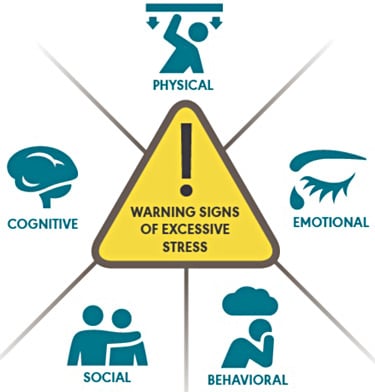
Warning Signs of Stress
Watch for signs like these:
- Physical symptoms—fast heart rate, muscle tension, headaches, gastrointestinal distress, inability to relax, trouble sleeping
- Strong emotions—feeling irritable, sad, anxious, fearful, angry, overwhelmed
- Risky behaviors—taking unnecessary risks, increasing your use or misuse of prescription drugs or alcohol
- Social withdrawal or conflict—being unable to support others; engaging in atypical conflicts with clients, peers, and family; experiencing withdrawal and isolation; blaming others; showing hostility; being argumentative
- Difficulty thinking clearly—having difficulty solving problems and making decisions; experiencing “brain fog” and confusion; having memory issues
For more information, see this resource on managing stress from the Centers for Disease Control and Prevention (CDC).
Concerns and Resources
Axiety and Overwhelm
The following resources offer information about anxiety or feeling overwhelmed:
- Anxiety Resources — American Counseling Association
- Care for the Caregiver: Tips for Families and Educators — National Association of School Psychologists (NASP)
- Care for the Caregiver: Guidelines for Administrators and Crisis Teams — NASP
- Workplace Stress — Occupational Safety and Health Administration (OSHA)
Financial Stress
Financial hardships can lead to mental health challenges (e.g., anxiety, depression, panic, substance use, worry). Financial stress can have disproportionate effects on a person’s well-being—depending on their socioeconomic and educational status.
For information on financial literacy that may be helpful, particularly when you are not in a crisis situation, consult these resources:
- 5 Ways to Manage Your Personal Finances — Harvard Business Review
- 5 Tips to Navigate Financial Planning Advice on Social Media — CERTIFIED FINANCIAL PLANNER® Board of Standards
Historical Trauma
Historical trauma refers to the cumulative emotional and psychological harm experienced across generations because of major collective events that have targeted cultural, racial, or ethnic groups. These experiences often leave lasting imprints on individuals and communities, influencing how people respond to current stressors.
Racial battle fatigue—a related concept—describes the physical and emotional toll of navigating ongoing racism, discrimination, and microaggressions. Together, historical trauma and racial fatigue can contribute to chronic stress, distrust in institutions, and disparities in mental and physical health.
For more information on historical trauma and racial fatigue, see these resources:
- Historical Trauma and Cultural Healing Resources — University of Minnesota
- BIPOC Mental Health Resources — Mental Health America
- Identity and Cultural Dimensions — National Alliance on Mental Illness
Loneliness and Isolation
Loneliness and isolation are two additional factors that mental health experts have identified as public health crises. Social connections and satisfying relationships are possible antidotes.
As communication professionals, we know well the value and need for positive social connections and engaging relationships: They enhance our mental health and well-being.
For more information on loneliness and isolation, see these resources:
- Loneliness — CDC
- Social Isolation and Loneliness — World Health Organization
- Together: The Healing Power of Connection in a Sometimes Lonely World by Dr. Vivek Murthy
Loss and Grief
Grief is a natural reaction to loss and can show up in many ways, including disbelief, anxiety, distress, depression, anger, sorrow, and changes in sleep or eating patterns.
Audiologists and SLPs may experience both personal and professional losses, and the impact of grief can be intensified by repeated losses or ongoing uncertainty.
For more information on loss and grief, see these resources:
- Grief — CDC
- Resources for Professionals — The Grief-Sensitive Healthcare Project
Moral Distress, Ethical Dilemmas, and Burnout
Fast-changing work demands can create ethical challenges—especially when audiologists and SLPs are asked to act in ways that conflict with their professional values. This can lead to moral distress—when you know the right thing to do but feel unable to do it.
You may have faced moral distress if you had to deliver care that fell short of optimal clinical practice, were asked to do tasks without enough training, or were told to limit services to certain patients. These pressures, especially experienced without adequate support, can contribute to burnout.
The Office of the U.S. Surgeon General outlines five key supports for workplace mental health:
- protection from harm
- connection and community
- work–life harmony
- feelings of value and worth
- opportunity for growth
Below are resources to help with managing ethical challenges, moral distress, and burnout. This information may be particularly helpful for managers and supervisors. They describe ways that managers and supervisors can create a more mental health–conducive environment for their employees—and enhance emotional safety at the workplace.
- Workplace Well-Being Resources — Office of the Surgeon General
- Health Worker Burnout — Office of the Surgeon General
- Moral Distress in Medicine: An Ethical Analysis — Journal of Health Psychology
Coping Strategies
Self-Awareness
Below are some strategies to increase self-awareness of your mental health:
- Pay attention to signs of extreme stress. Contact a mental health professional when needed.
- Take care of your physical and mental health—especially during times of personal or professional loss, grief, or uncertainty.
- Practice self-compassion. Try to quiet any negative self-talk.
- Avoid comparing yourself to others when it comes to your stress and workload. Everyone copes differently; comparative suffering can be harmful.
- Use trusted mental health resources to manage stress, process grief, and build resilience.
- Balance and limit your screentime and social media use.
For more self-care tips, see this resource on managing stress from the CDC.
Activate Your Parasympathetic Nervous System to Manage Stress
The parasympathetic nervous system acts like the body’s “brakes”—helping you slow down, rest, and recover. Sometimes called the “rest and digest” system, the parasympathetic nervous system helps the body conserve energy and protect itself. Although some stress is unavoidable, there are practical ways to activate this system and support your physical and mental well-being.
You can activate your parasympathetic nervous system by doing intentional things such as these:
- spending time in nature
- reading
- journaling
- practicing mindfulness
- moving your body
- creating art or music
- engaging in meditation or prayer
- practicing gratitude
The resources below can help strengthen your own parasympathetic nervous system and deepen your understanding of the stress response.
Tools To Activate Your Relaxation Response
- Progressive Muscular Relaxation
- Progressive Muscle Relaxation Script [PDF] — TherapistAid
- How To Do Progressive Muscle Relaxation — YouTube
- 10 Breathing Exercises To Try When You're Feeling Stressed — Healthline
- Meditation Apps
- The Best Mental Health Apps — Very Well Mind
- 13 Grounding Techniques To Help Calm Anxiety — Cleveland Clinic
We offer these resources as suggestions that may help you with overall well-being and self-care. Of course, each person has unique needs and preferences—these may vary over time. For example, one person might benefit from reminders about the value of sleep, whereas another person might experience increased anxiety with these reminders. Some people may benefit from exercise, whereas others may need more physical rest. Even for each person, their own needs, preferences, and benefits may differ depending on changing circumstances.
Movement
Participating in physical activity that you enjoy can help relieve anxiety and stress, boost your mood, and give your mind a break. Consider these tips as you plan a movement routine.
Sleep
Sleep is essential for mental health, physical recovery, and cognitive function—yet it’s often one of the first things sacrificed during periods of stress or high workload. The resources below offer evidence-based guidance on the importance of quality sleep and practical strategies to improve sleep habits and hygiene.
- How To Relieve Stress for Bedtime — Sleep Foundation
- Healthy Sleep — Harvard Medical School
Nourish Yourself
What we eat affects how we feel—both physically and mentally. A balanced, nutrient-rich diet can support mood, energy levels, and resilience to stress.
This resource from the National Eating Disorders Collaboration addresses the critical relationship between diet and mental health.
Social Support
Strong social connections play an important role in health and well-being. Support can come in many forms—emotional support, informational support, practical help, or simply feeling a sense of belonging.
Giving support can be just as powerful as receiving it. Finding purpose through service—whether in your professional role or in your personal life—can help you feel more grounded and connected.
Look for ways to stay engaged with others.
To learn more on social support and its importance, see the following resources from Verywell Mind:
- How Social Support Contributes to Psychological Health
- Why Social Support May Be the Best Way to Help Reduce Stress
Additional Resources
Health Care SLPs
- ASHA CE Course: Moral Distress and the SLP’s Game: Put Burnout on the Run
- OSHA: Workplace Stress: Healthcare and Other Frontline Workers
School-Based SLPs
- ASHA Website: Addressing Stress, Overwhelm, and Burnout in School-Based SLP Practice
- ASHA Leader Live: Tips for Battling Burnout: Suggestions from a school-based SLP for school-based SLPs
- ASHA CE Course: Promoting Mental Health for School-Based Speech-Language Pathologists and Students
- ASHA CE Course: Evidence-Based Strategies to Alleviate Caseload- and Workload-Related Stress
- Perspectives article: Tackling Burnout in the School Setting: Practical Tips for School-Based Speech-Language Pathologists
- Mental Health Resources — NSSLHA
- Mental Health Tips and Resources to Support CSD Students’ Well-Being — National NSSLHA Blog
- Graduate Student Mental Health and Well-Being — Council of Graduate Schools
If you are experiencing an emergency, or you know someone who is, call 911.
Immediate Help
Contact these hotlines for immediate help:
- 988 Suicide & Crisis Lifeline
Call or text 988
- Crisis Text Line
Text HOME or HOLA to 741741
- The Substance Abuse and Mental Health Services Administration (SAMHSA) Disaster Distress Hotline
Call or text 1-800-985-5990
- National Domestic Violence Hotline
Call 800-799-SAFE (7233) or TTY 800-787-3224
- The Trevor Project provides crisis intervention and suicide prevention services to LGBTQIA+ youth.
Call 866-488-7386, or text START to 678-678
- LGBT National Coming Out Support Hotline
Call 888-688-5428 (888-OUT-LGBT)
- Blackline provides a space for peer support, counseling, reporting of mistreatment, and witnessing and affirming the lived experiences of individuals impacted by systematic oppression.
Call 800-604-5841
Ongoing Help
To find a behavioral health provider in your area, visit one of these resources:
- SAMHSA National Helpline
Call 1-800-662 HELP (4357)
- If your employer uses an Employee Assistance Program (EAP), then the EAP can also provide references for behavioral health providers in your area.
Find a culturally responsive behavioral health provider:
- The National Alliance on Mental Illness provides helpful tips on selecting a culturally responsive provider.
- The Black Mental Health Alliance offers confidential referrals for those seeking mental health services.
- Health Professionals Advancing LGBTQ+ Equality (GLMA) maintains a provider directory of LGBTQ+ professionals, including behavioral health providers.
For questions or comments about this resource, please contact or SLPInfo@asha.org or audiology@asha.org.