Admission and Discharge in Speech-Language Pathology
Determining when to start, adjust, or end speech-language pathology services is a key part of treatment planning. These decisions are made across settings and service delivery models, and they affect people of all ages who have communication, cognitive, social interaction, or feeding and swallowing needs.
Download the Complete Guide [PDF]
The Decision Lifecycle
This resource guides decision-making for when it is appropriate to begin, adjust, or end services across the duration of the services provided and across their lifespan. It also explains that outside rules—like insurance and administrative policies—can influence decisions but do not replace individualized, person-centered clinical care.

Stage 1: Begin
Is there a communication, cognitive, social, or feeding/swallowing need that SLP services can address?

Stage 2: Modify
Has the person’s status, goals, or response to treatment changed in ways that call for a different approach?

Stage 3: End
Have goals been met, or has continued service no longer beneficial?
What Guides Every Decision
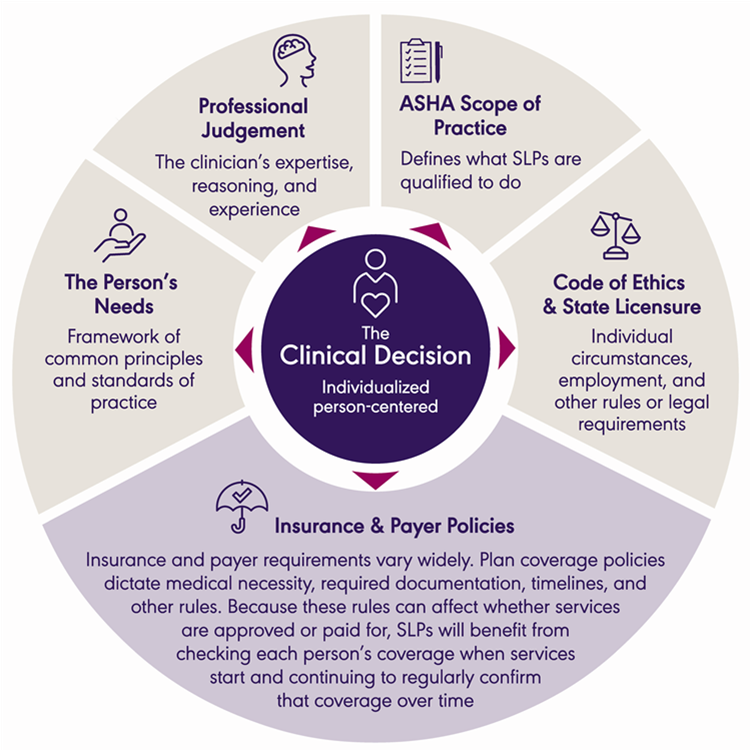
Speech-language pathologists (SLPs) make admission and discharge decisions by using their professional judgment while considering the person’s needs, employment, and other rules or legal requirements. These decisions are also guided by the ASHA Scope of Practice, applicable codes of ethics, and state licensure.
About This Resource
This guidance replaces ASHA’s previous Admission/Discharge Criteria in Speech-Language Pathology document—which the Ad Hoc Committee on Admission/Discharge Criteria developed and which the ASHA Executive Board approved in 1994. The Legislative Council revised this document in 2003.
This updated version reflects current practice expectations and aims to support clinicians, payers, educators, and the public in understanding how SLPs decide how and when to start, modify, and end services. Although this is not a formal policy document, it is meant to guide clinicians and stakeholders in making informed, consistent service decisions.
Next: When to Begin Services